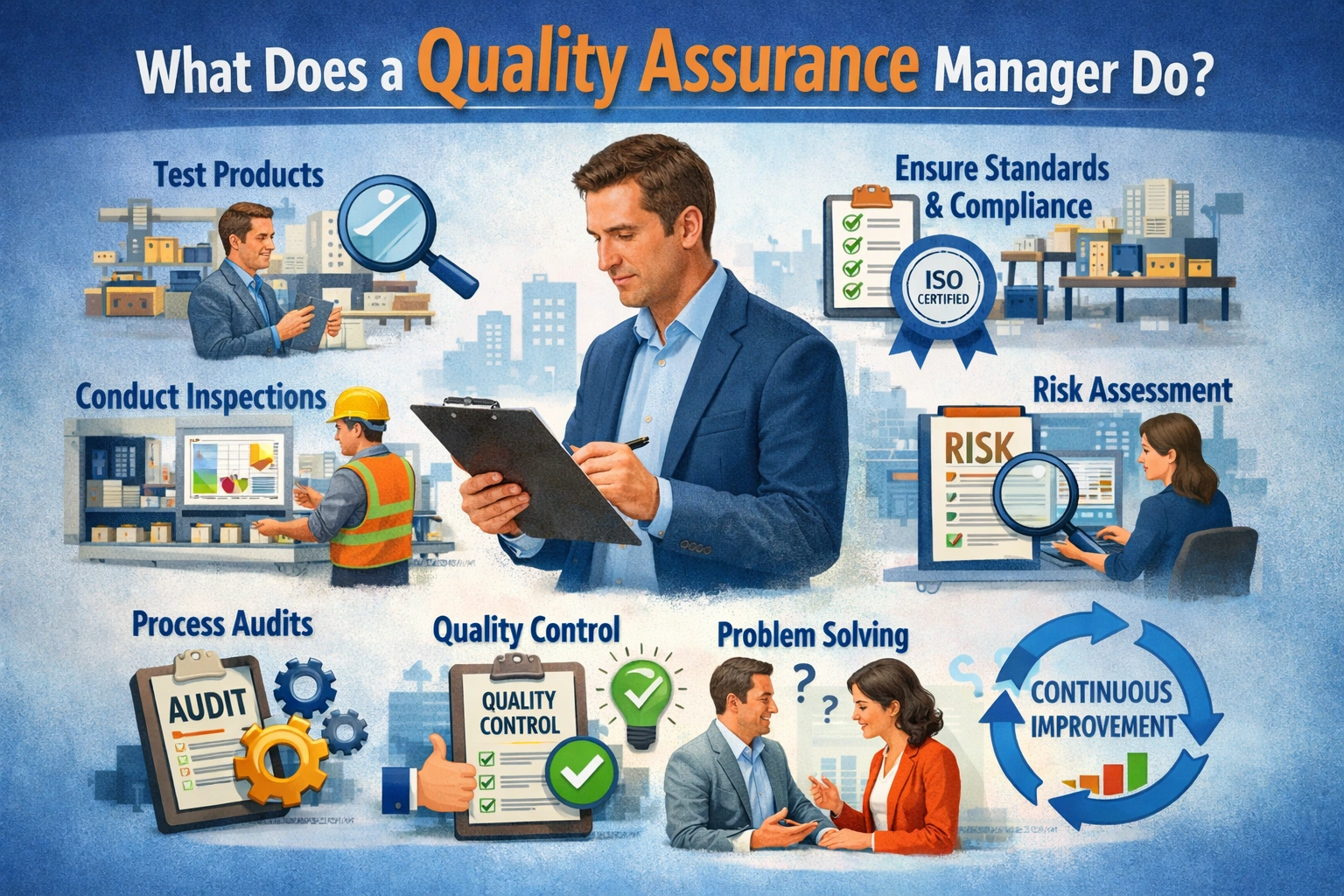

In today’s competitive, customer-driven business environment, companies can no longer focus only on selling products or services. Long-term growth depends on how well customers achieve success after the purchase. This is where the role of a Customer Success Manager (CSM) becomes critically important. A Customer Success Manager acts as a bridge between the company and its customers, ensuring satisfaction, retention, and long-term value.
Understanding Customer Success
Customer Success is a proactive approach that helps customers achieve their desired outcomes while using a company’s product or service. Unlike traditional customer support, which is reactive and problem-focused, customer success is strategic and ongoing. The Customer Success Manager is responsible for guiding customers throughout their journey, from onboarding to renewal and beyond.
Core Responsibilities of a Customer Success Manager
The role of a Customer Success Manager covers a wide range of responsibilities, all centered around customer satisfaction and business growth.
Customer Onboarding and Training
One of the first responsibilities of a CSM is onboarding new customers. This includes helping them understand the product, setting expectations, and ensuring a smooth start. Effective onboarding reduces confusion, builds trust, and increases the likelihood of long-term adoption.
Building Strong Customer Relationships
A Customer Success Manager maintains regular communication with customers to understand their goals, challenges, and feedback. By building strong relationships, the CSM becomes a trusted advisor rather than just a point of contact. This trust is essential for long-term partnerships.
Driving Product Adoption
Ensuring that customers fully utilize the product’s features is a key part of the role. CSMs analyze usage data, identify gaps, and recommend best practices. Higher adoption rates often lead to greater customer satisfaction and improved business outcomes.
Monitoring Customer Health
Customer Success Managers track customer health metrics such as engagement levels, product usage, and satisfaction scores. By identifying risks early, they can take proactive steps to prevent churn and address potential issues before they escalate.
Renewals and Retention
Customer retention is a major focus of customer success. CSMs work closely with customers to ensure they see consistent value, making renewals a natural decision rather than a sales challenge. Reducing churn directly impacts company revenue and stability.
Upselling and Cross-Selling Opportunities
While not always a direct sales role, a Customer Success Manager often identifies opportunities for upselling or cross-selling based on customer needs. Because these recommendations come from a place of trust, they feel helpful rather than promotional.
Skills Required for a Customer Success Manager
To be effective, a Customer Success Manager needs a combination of technical, analytical, and interpersonal skills.
Strong communication skills are essential for explaining complex ideas clearly and building relationships. Problem-solving abilities help CSMs address challenges quickly and effectively. Analytical skills allow them to interpret customer data and make informed decisions. Additionally, empathy and active listening are critical, as understanding customer emotions and motivations is at the heart of customer success.
Customer Success Manager vs Customer Support
Many people confuse customer success with customer support, but the two roles are different. Customer support reacts to issues when customers raise tickets or complaints. Customer success, on the other hand, is proactive. A CSM works to prevent problems before they happen and focuses on long-term value rather than short-term fixes.
Why the Role Is Important for Businesses
The role of a Customer Success Manager has become increasingly important, especially in subscription-based and SaaS businesses. Acquiring new customers is often more expensive than retaining existing ones. By ensuring customer satisfaction and loyalty, CSMs help businesses reduce churn, increase lifetime value, and generate consistent revenue.
Moreover, happy customers are more likely to recommend the product to others, contributing to organic growth through referrals and positive reviews.
Career Growth and Opportunities
Customer Success Management is a fast-growing career path with opportunities for advancement into leadership roles such as Head of Customer Success or Director of Customer Experience. Professionals in this field gain valuable experience in customer relations, strategy, and business growth, making it a versatile and rewarding career choice.
Conclusion
The role of a Customer Success Manager goes far beyond answering questions or solving problems. It is a strategic position focused on helping customers achieve success, building long-term relationships, and driving sustainable business growth. As companies continue to prioritize customer experience, the importance of Customer Success Managers will only continue to rise.